Nikah guide UK
A guide to nikah in the UK
What is a Nikah?
A Nikah is the Islamic marriage contract, a sacred covenant (mithaqan ghalizhan) between a man and a woman, solemnised in the presence of witnesses and an officiant. It is far more than a social formality; in Islam, marriage is considered half of one's faith. The Prophet Muhammad (peace be upon him) said: “When a man marries, he has fulfilled half of his religion, so let him fear Allah regarding the remaining half.”
The Quran places immense significance on the marital bond. In Surah An-Nisa (4:1), Allah says: “O mankind, fear your Lord, who created you from one soul and created from it its mate and dispersed from both of them many men and women.” This verse establishes marriage as part of the divine plan for humanity, a means of companionship, tranquillity, and building families. In Surah Ar-Rum (30:21), the Quran further states: “And of His signs is that He created for you from yourselves mates that you may find tranquillity in them; and He placed between you affection and mercy.”
It is important to understand that a Nikah is not the same as a civil marriage in UK law. A Nikah performed at an unregistered mosque or private venue has no legal standing in England, Wales, Scotland, or Northern Ireland. This means that without a separate civil ceremony, a couple married only by Nikah would have no legal rights regarding inheritance, property, pensions, or financial provision in the event of separation. This guide explains both the religious and legal requirements so you can ensure your marriage is valid in every sense.
The Nikah ceremony itself is beautifully simple. It centres on the Ijab (proposal) and Qabul (acceptance), spoken in the presence of witnesses, with the Mahr (bridal gift) agreed upon and declared. An Imam delivers the Khutbah (marriage sermon), reciting verses from the Quran and Hadith. The contract is then signed by both parties, the Wali, and the witnesses.
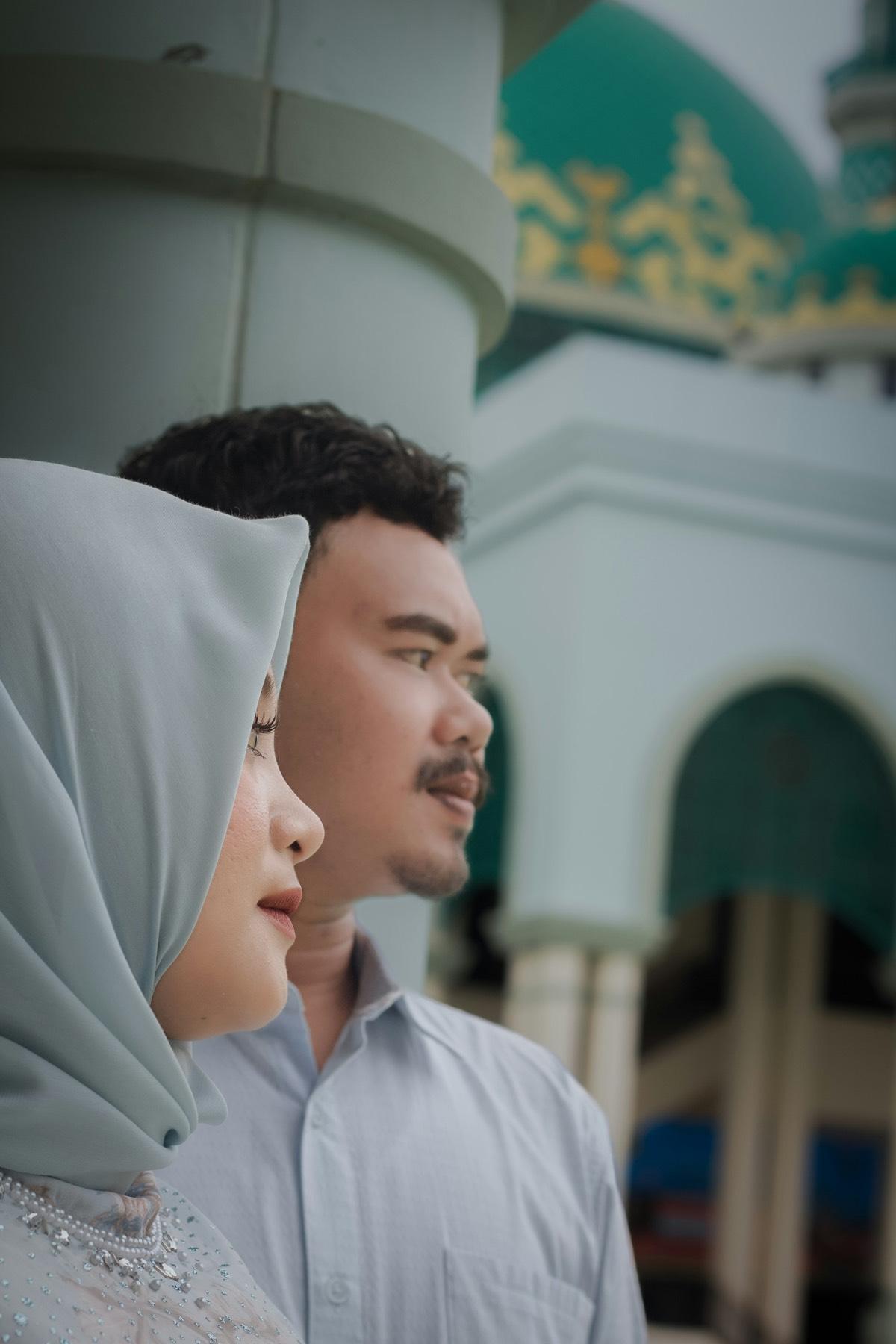
Marriage is half of faith
The Nikah is one of the most sacred acts in Islam. Our comprehensive guide covers every step, from understanding your Islamic rights to the legal requirements in the UK, so you can approach your marriage with confidence and clarity.
Islamic requirements for a valid Nikah
Five essential elements must be present for a Nikah to be valid according to the majority of Islamic scholars.
Mutual Consent (Ijab & Qabul)
Both the bride and groom must freely and willingly consent to the marriage. The proposal (Ijab) is made by the bride's side and the acceptance (Qabul) by the groom, or vice versa, in the same sitting. Forced marriages are explicitly prohibited in Islam. The Prophet (peace be upon him) annulled marriages where consent was not freely given.
Wali (Guardian)
The bride must have a Wali present, typically her father, grandfather, brother, or another male relative from the paternal side. The Wali's role is to protect the bride's interests and ensure the marriage is suitable. If the bride has no Muslim male relatives (common for reverts), a qualified Imam can serve as her Wali.
Mahr (Bridal Gift)
The groom must give a Mahr to the bride, a gift of money, property, or valuables that is her sole right. The amount must be agreed upon before the ceremony and stated during the Nikah. It can be paid immediately (Mu'ajjal) or deferred (Mu'wajjal). There is no minimum or maximum, but it should be fair and within the groom's means.
Two Muslim Witnesses
At least two adult Muslim witnesses of sound mind must be present during the Nikah. The majority of scholars require two male witnesses, though the Hanafi school accepts one male and two female witnesses. Witnesses must hear both the Ijab and the Qabul and can attest that the marriage took place.
Imam or Qualified Officiant
An Imam or other qualified person conducts the ceremony by delivering the Khutbah-tun-Nikah (marriage sermon), which includes recitations from the Quran and Hadith about the sanctity of marriage. While any knowledgeable Muslim can technically officiate, having a trained Imam ensures the ceremony follows correct Islamic procedure.
Nikah at a registered vs unregistered mosque
Understanding the difference is critical. Your legal rights depend on where your Nikah is performed.
Legal Status
Registered Mosque
Legally binding: your Nikah is both an Islamic and civil marriage
Unregistered Mosque
No legal recognition: you are not married under UK law
Additional Steps Needed
Registered Mosque
None: everything is handled in one ceremony
Unregistered Mosque
You must have a separate civil ceremony at a register office or licensed venue
Typical Cost
Registered Mosque
£200 to £600 (includes registration fees)
Unregistered Mosque
£100 to £300 for Nikah + £50 to £150 for civil ceremony
Time Required
Registered Mosque
One ceremony, typically 30 to 60 minutes
Unregistered Mosque
Two separate ceremonies on potentially different dates
Documents Required
Registered Mosque
Passports/IDs, marriage notice confirmation, Mahr agreement
Unregistered Mosque
Mahr agreement for Nikah; passports, notice, proof of address for civil
Who Conducts
Registered Mosque
Imam who is also an authorised registrar
Unregistered Mosque
Any qualified Imam (civil ceremony conducted separately by a registrar)
UK legal requirements for marriage
Under the Marriage Act 1949 (as amended), a marriage in England and Wales is only legally valid if it meets specific conditions. These requirements exist alongside Islamic requirements. You need to satisfy both for a marriage that is recognised religiously and legally.
England & Wales
- Both parties must be at least 18 years old (raised from 16 by the Marriage and Civil Partnership (Minimum Age) Act 2022)
- Give notice at your local register office at least 28 days before the ceremony (29 days if either party is not an EEA national)
- The ceremony must take place in a registered building (registered mosque, register office, or licensed venue)
- An authorised person or registrar must be present during the ceremony
- The marriage must be entered in the marriage register and a certificate issued
- Both parties must not already be married or in a civil partnership
Scotland
- Both parties must be at least 16 years old (no parental consent required)
- Submit a Marriage Notice (Form M10) to the registrar of the district where the marriage will take place, at least 29 days before
- A marriage can take place anywhere in Scotland. There are no venue restrictions
- An authorised celebrant (religious or belief) or registrar must conduct the ceremony
- Two witnesses aged 16 or over must be present
Northern Ireland
- Both parties must be at least 18 years old
- Give notice to the registrar at least 28 days before the ceremony
- The marriage must take place in a registered building or approved venue
- A registrar or authorised person must be present
- Two witnesses must attend the ceremony
Islamic marriage vs civil marriage in the UK
Understanding how these two systems interact helps you plan a marriage that is valid both religiously and legally.
Legal Recognition
Islamic Marriage (Nikah)
Only if performed at a registered venue with a registrar present
Civil Marriage
Always legally recognised when conducted by a registrar
Religious Validity
Islamic Marriage (Nikah)
Valid Islamic marriage when all five requirements are met
Civil Marriage
No religious significance: purely a legal contract
Wali Requirement
Islamic Marriage (Nikah)
Required (majority view): the bride's guardian must be present
Civil Marriage
Not required: either party can attend independently
Mahr
Islamic Marriage (Nikah)
Mandatory: an agreed gift from the groom to the bride
Civil Marriage
No equivalent: not part of civil marriage law
Registration Process
Islamic Marriage (Nikah)
28-day notice at register office + ceremony at registered mosque
Civil Marriage
28-day notice at register office + ceremony at register office or licensed venue
Typical Cost
Islamic Marriage (Nikah)
£200 to £600 at a registered mosque
Civil Marriage
£50 to £500 depending on venue and extras
Venue Options
Islamic Marriage (Nikah)
Registered mosques, or any venue with a separate civil ceremony
Civil Marriage
Register offices, licensed hotels, stately homes, and approved venues
Dissolution
Islamic Marriage (Nikah)
Talaq (Islamic divorce) or khula. Neither ends a civil marriage
Civil Marriage
Divorce through the UK family courts. This does not end an Islamic marriage
Step by step: getting married as a Muslim in the UK
Follow these steps to ensure your marriage is valid both Islamically and legally.
Find a compatible spouse
Use UK Muslim Marriage to search reviewed profiles of practising Muslims across the UK. Every profile is checked by our team. Filter by sect, religiosity, location, and more to find someone compatible with your values.
Involve your Wali and family
Once you have found a potential match, involve your Wali (guardian) and parents. You can invite your wali in the app so they receive copies of the messages you send. Involving family from the start is the Sunnah way.
Agree on the Mahr and marriage terms
Discuss and agree on the Mahr (bridal gift) with both families. Consider whether it will be paid immediately or deferred. Also discuss living arrangements, financial responsibilities, and any other terms you wish to include in the Nikah contract.
Give notice at your local register office
Both parties must attend their local register office in person to give notice of marriage. You will need your passport or birth certificate, proof of address, and immigration documentation if applicable. The notice period is at least 28 days.
Choose your venue
Decide between a registered mosque (where the Nikah and civil ceremony happen together) or an unregistered mosque / private venue (where you will need a separate civil ceremony). Check with your mosque whether they are registered for marriages.
Conduct the Nikah ceremony
The Imam delivers the Khutbah (sermon), the bride's Wali presents her consent, the groom accepts (Qabul), the Mahr is declared, and the contract is signed by both parties and the witnesses. If at a registered mosque, the marriage is simultaneously registered.
Register the marriage (if needed)
If your Nikah was at an unregistered venue, complete a civil ceremony at a register office or licensed venue to gain legal recognition. Do not delay this step. Without it, you have no legal rights as a married couple under UK law.
Celebrate your Walima
Host a Walima (wedding reception) to announce the marriage to your community. The Prophet (peace be upon him) said: "Announce the marriage." The Walima can be as simple or as large as you wish. It is a Sunnah, so there is no need to compete.
Understanding mahr (the bridal gift)
Mahr is a mandatory payment from the groom to the bride as part of the Nikah contract. It is the bride's absolute right in Islam. It belongs solely to her and cannot be taken by her family, her husband, or anyone else. The Quran states in Surah An-Nisa (4:4): “And give the women their bridal gift graciously. But if they give up willingly to you anything of it, then take it in satisfaction and ease.”
There is no fixed amount for Mahr in Islam. The Prophet (peace be upon him) encouraged simplicity, saying the best marriage is the one made easiest. The Mahr of Fatimah (may Allah be pleased with her), the Prophet's daughter, was a suit of armour, demonstrating that it need not be extravagant. What matters is that both parties agree on an amount that is meaningful and within the groom's means.
Common Mahr amounts in the UK
There is no single standard, but based on community practices across the UK:
- Many families agree on Mahr between £1,000 and £5,000
- Some communities follow a tradition of specific amounts (e.g., £1,500 following the Mahr of the Prophet's daughters)
- Gold jewellery, often of a set weight, is common in South Asian and Arab communities
- Deferred Mahr is increasingly common, with a token amount paid upfront and the remainder recorded as a debt
- Some couples agree on non-monetary Mahr: memorising a Surah, performing Hajj together, or a commitment to education
Important: Mahr is not enforceable in UK civil courts as it is considered a religious obligation, not a legal one. However, if included as a term in a prenuptial or postnuptial agreement, it may carry persuasive weight in divorce proceedings. We strongly recommend documenting your Mahr agreement in writing and having both parties sign it.
Nikah guidance for revert Muslims
If you are a revert Muslim, the Nikah process can feel daunting, especially when your family may not be Muslim and you may not have an obvious Wali. Please know that this is an entirely normal situation, and the Islamic tradition has clear provisions for it.
When a bride does not have a Muslim male relative to serve as her Wali, the responsibility passes to a local Imam or a Muslim community leader. This is based on the Hadith: “The ruler (or his representative) is the Wali of the one who has no Wali.” In the UK context, this means a qualified Imam at your local mosque can fulfil the Wali role.
We maintain a network of Imams across the UK who are experienced in supporting revert Muslims through the Nikah process. They understand the unique challenges reverts face, from navigating family dynamics with non-Muslim relatives to explaining Islamic marriage traditions to parents who may be unfamiliar with them.
How the app helps reverts
- You can say on your profile that you are a revert, and members can filter for people open to marrying a revert
- Invite an imam or another trusted Muslim as your wali from the Chaperone / Wali screen, so they receive copies of the messages you send
- Our revert page explains how to find a wali and how to involve non-Muslim family
- This guide covers the nikah and the legal steps, so you know what to expect on the day
You are welcome in this community. Not having a Muslim family should not stop you from marrying in a halal way. Contact us and we will make sure you have the support you need.
Frequently asked questions
Is a Nikah legally recognised in the UK?+
How much does a Nikah cost in the UK?+
Can I have a Nikah without a Wali?+
What documents do I need for a Nikah in the UK?+
How long does the Nikah ceremony take?+
Can a Nikah be performed online or over the phone?+
What is the difference between Mahr and a wedding gift?+
Do both witnesses need to be Muslim?+
Editorial Note: This guide was reviewed by qualified Islamic scholars and UK family law practitioners. It is intended as general guidance and does not constitute legal or religious advice. For specific questions about your circumstances, consult a qualified Imam and/or a solicitor specialising in family law.
Last updated: September 2026. Content is reviewed quarterly and updated to reflect changes in UK legislation and community practices.
Trust & Compliance
Your safety and privacy are built into every layer of our platform.
Privacy-First Design
Your profile is never public. We follow UK GDPR principles with encrypted storage and strict access controls.
UK GDPR Compliant
Full compliance with the UK General Data Protection Regulation. Your data is encrypted at rest and in transit.
Every Profile Reviewed
Our team reviews every profile and photo. Optional UK photo ID check for a Verified badge.
Equality Act 2010
We operate in full compliance with the UK Equality Act 2010, serving all Muslim communities equally.
UK-Based Support
Real people, reachable by phone and WhatsApp. Based in the UK, not outsourced overseas.
UK Residents Only
We verify UK residency to ensure genuine, local connections. No international profiles diluting your matches.
Ready to find your spouse?
Create a free profile, set your preferences and invite your wali. Every profile is reviewed by our team.